Kingsbridge Immigration

Categories
New Updates

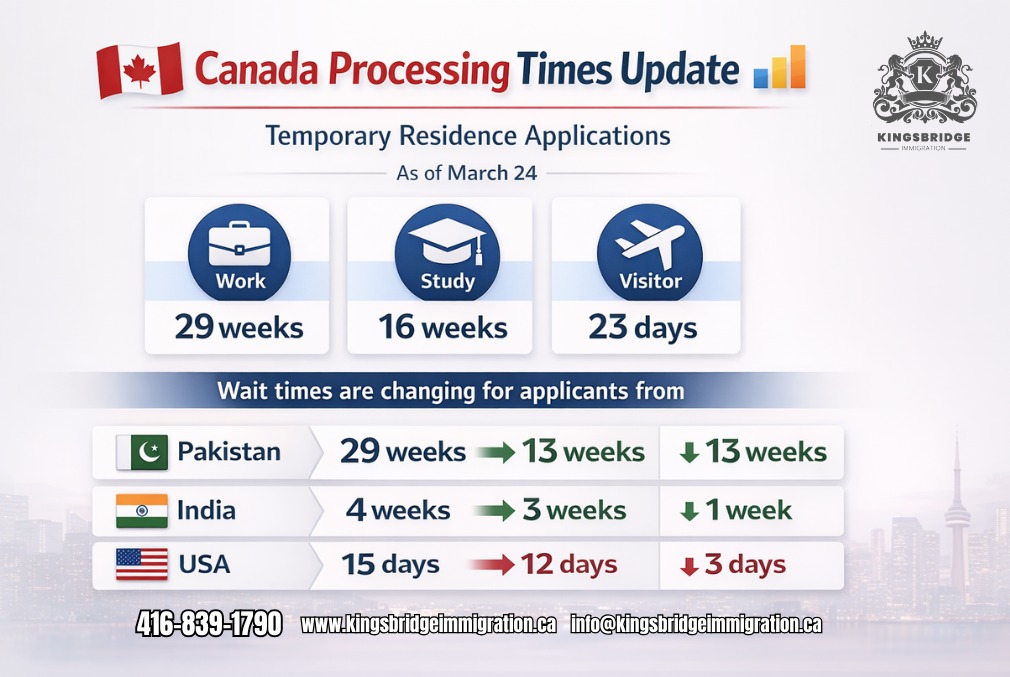
Canada Improves Temporary Residence Processing Times for Key Countries

Canada has recently announced improvements in processing times for temporary residence applications, offering faster decisions for applicants from countries like Pakistan, India, and the United States.

This update reflects the government’s ongoing efforts to reduce backlogs and improve efficiency in the immigration system.


What Has Improved?

Recent data shows notable reductions in processing times across several application types:

  • Work permits: Significant improvement, especially for applicants from Pakistan, with processing times reduced by up to 13 weeks
  • Super visas: At least a 20-day reduction for applicants from India and the United States
  • Visitor visas and study permits: Faster processing in multiple countries, including India and the U.S.

These improvements mean applicants may now receive decisions weeks earlier than before.


Why Processing Times Are Getting Faster

Canada’s immigration department has been actively working to improve processing efficiency by:

  • Reducing application backlogs
  • Improving internal systems and workflows
  • Adjusting resources to high-demand regions

In fact, recent reports show that Canada’s overall immigration backlog has dropped below one million applications, signaling progress in clearing delays


What This Means for Applicants

For those planning to apply for temporary residence, this update brings several benefits:

✔ Faster decisions

Applicants can expect shorter waiting times for visas and permits

✔ Better planning

Students and workers can prepare travel and relocation plans with more certainty

✔ More opportunities

Quicker processing may help applicants secure jobs, start studies, or visit family sooner


Important Reminder

While processing times are improving, they can still vary depending on:

  • Application completeness
  • Background and medical checks
  • Volume of applications
  • Individual circumstances

IRCC processing times are based on how long it takes to finalize most applications, but not all cases are the same.


What This Means for Canada’s Immigration System

This update shows that Canada is moving toward a more efficient and responsive immigration system.

Faster processing helps:

  • Support economic growth
  • Fill labour shortages more quickly
  • Improve the overall applicant experience

It also aligns with Canada’s broader goal of maintaining a balanced and sustainable immigration system.


Final Thoughts

The improvement in temporary residence processing times is a positive step for applicants worldwide.

If you’re considering applying to Canada, this could be the right time to take action while processing times are improving.

💬 Staying updated and preparing a strong application can help you take full advantage of these faster timelines.

Categories
New Updates

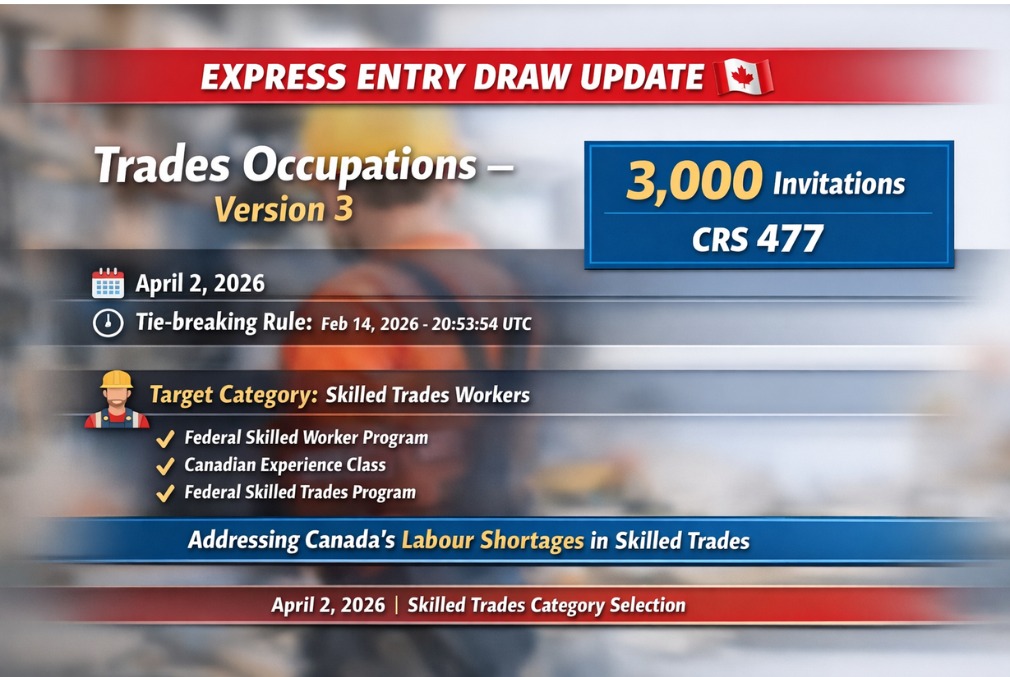
Canada’s Express Entry Overhaul: New Eligibility and CRS Changes Explained

Canada is preparing a major overhaul of its Express Entry system, introducing proposed changes that could significantly impact how candidates are selected for permanent residence.

These updates reflect a shift toward a more targeted and strategic immigration system, designed to better meet Canada’s labour market needs.


What Is Changing in Express Entry?

The proposed overhaul focuses on two key areas:

1. Eligibility Criteria Updates

Canada is expected to refine eligibility requirements for category-based draws.

Candidates may now need:

  • At least 1 year of relevant work experience in a targeted occupation
  • Experience gained within the last 3 years
  • Strong alignment with specific categories like healthcare, trades, or education

This means simply having a high CRS score may no longer be enough — your occupation and experience will matter more.


2. CRS (Comprehensive Ranking System) Changes

The CRS system may also be adjusted to better reflect Canada’s priorities.

Proposed changes include:

  • Possible return of job offer points in CRS
  • More weight on Canadian work experience and high-wage jobs
  • Increased focus on skills that match labour shortages

This shows a clear shift from a points-only system to a needs-based selection model.


New and Expanding Categories

Canada is continuing to expand category-based selection, which is now the core of Express Entry.

New and priority categories may include:

  • Healthcare and social services
  • Trades and construction
  • Education
  • Transport occupations
  • Researchers and senior managers
  • Military personnel

These categories allow Canada to invite candidates who can immediately contribute to the economy.


How Express Entry Is Evolving in 2026

Instead of large general draws, Canada is moving toward:

  • Smaller, more frequent draws
  • Highly targeted invitations
  • Selection based on specific skills and roles

This helps the government control immigration levels while still addressing labour shortages.


What This Means for Applicants

This overhaul changes the strategy for immigration:

👉 It’s no longer just about having a high CRS score
👉 It’s about being the right fit for Canada’s needs

Applicants who may benefit the most:

  • Those with in-demand occupations
  • Candidates with Canadian work experience
  • French-speaking applicants
  • Individuals with job offers or provincial nominations

Opportunities and Challenges

Opportunities:

  • Lower CRS cut-offs in targeted categories
  • Faster selection for in-demand roles
  • More focused immigration pathways

Challenges:

  • Increased competition within specific categories
  • Less chance for general applicants without targeted skills
  • Need for better planning and strategy

Final Thoughts

Canada’s Express Entry overhaul marks a major shift toward a more selective and strategic immigration system.

Instead of focusing only on scores, Canada is prioritizing candidates who can directly support its economy and workforce.

For applicants, this means one thing:

💬 Understanding the system and positioning your profile correctly is more important than ever.

Categories
New Updates

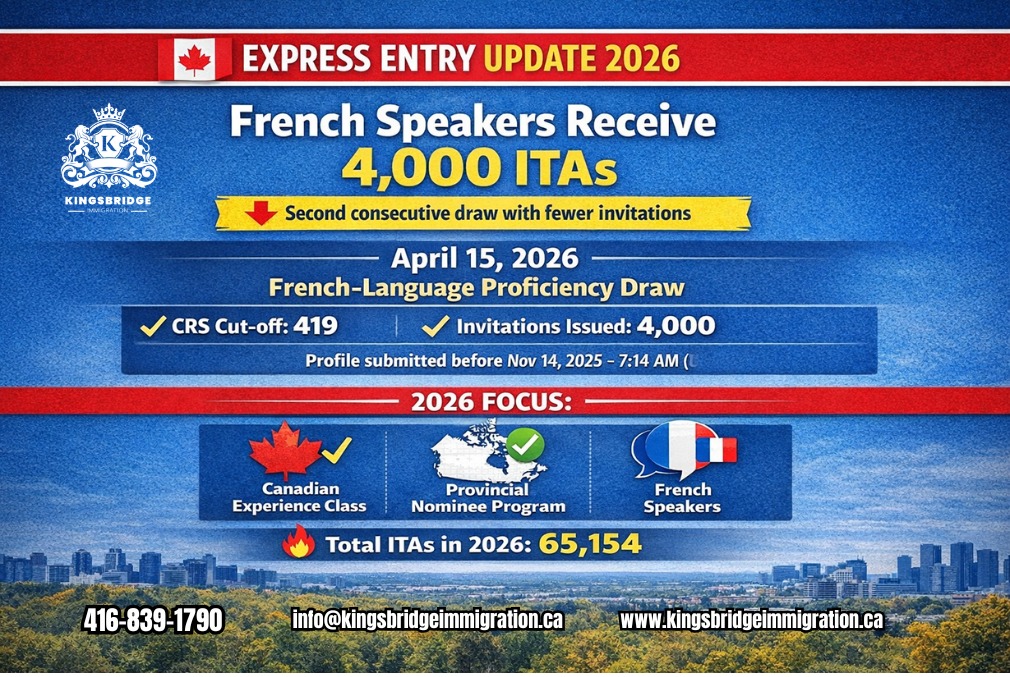
Canada Holds Express Entry Draw #411: Focus on French Language Skills

Canada continues to prioritize skilled immigrants through its Express Entry system, and the latest round—Draw #411—highlights the country’s strong focus on French-speaking candidates.

This draw reflects Canada’s ongoing strategy to address labour shortages while also supporting the growth of Francophone communities outside Quebec.


Draw #411 Overview

Here are the key details of this round:

  • Draw Number: #411
  • Category: French-language proficiency
  • Invitations Issued: 4,000
  • CRS Cut-off Score: 419
  • Tie-breaking Rule: November 14, 2025

This draw invited candidates with strong French language ability, even at a relatively lower CRS score compared to other categories.


Why French Language Skills Matter More in 2026

Canada has been increasing its focus on Francophone immigration as part of its long-term goals.

The government aims to:

  • Strengthen French-speaking communities outside Quebec
  • Address labour shortages in key sectors
  • Promote cultural diversity across the country

Recent trends show that candidates with French proficiency often receive invitations at lower CRS scores, making it a powerful advantage.


What This Means for Candidates

If you’re in the Express Entry pool, this draw sends a clear message:

👉 French language skills can significantly boost your chances

Even candidates with CRS scores in the low 400s may receive invitations if they meet the language requirements.

To qualify under this category, candidates typically need:

  • Valid French test results (TEF or TCF)
  • At least NCLC 7 in all language abilities
  • An active Express Entry profile

How This Fits Into Canada’s 2026 Immigration Strategy

Canada’s immigration system is becoming more targeted and strategic.

Instead of only selecting candidates with the highest CRS scores, the government is focusing on:

  • Language skills (especially French)
  • Work experience in key industries
  • Candidates already contributing to the economy

This approach helps Canada bring in immigrants who can quickly integrate and support economic growth.


Is French the Key to Faster Immigration?

For many candidates, the answer is yes.

Compared to other draws:

  • French category draws often have lower CRS cut-offs
  • More invitations are issued in larger batches
  • Competition may be less intense than general draws

This makes learning French one of the most effective ways to improve your profile.


Final Thoughts

Express Entry Draw #411 shows that Canada is serious about prioritizing French-speaking immigrants.

If you’re considering moving to Canada, investing in your language skills—especially French—can open more doors and increase your chances of success.

💬 Understanding these trends can help you plan smarter and take the right steps toward permanent residence.

Categories
New Updates

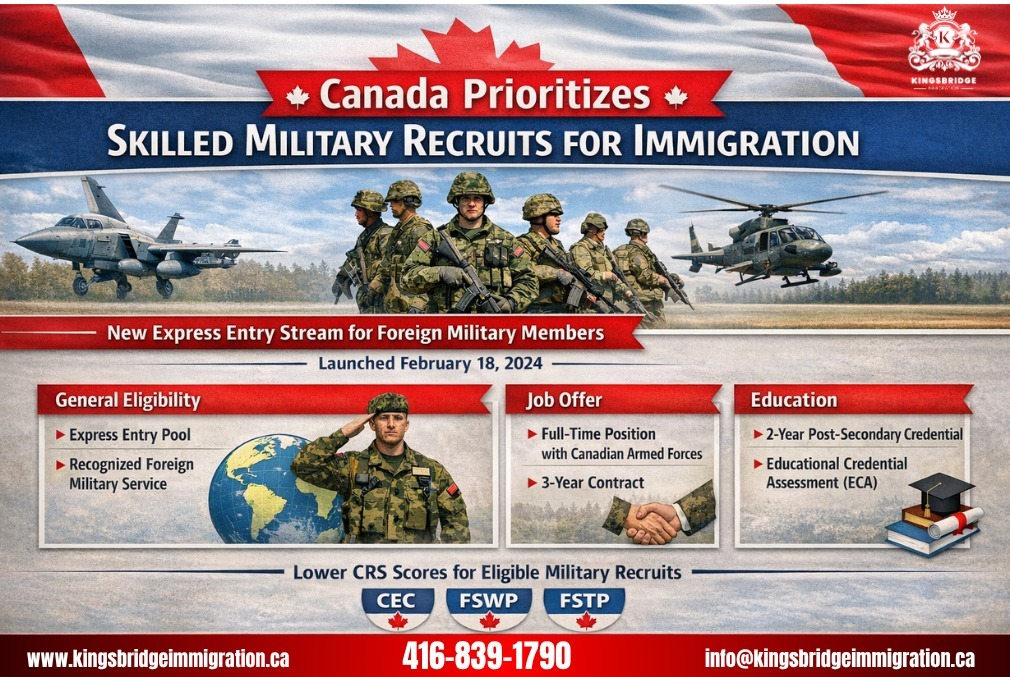
Canada Prioritizing Foreign Military Members for Immigration: What You Need to Know

Canada is expanding its immigration strategy by creating new opportunities for foreign military members to immigrate and contribute to the country’s workforce and national defense.

This move reflects Canada’s ongoing efforts to address labour shortages, strengthen its military capacity, and attract highly skilled individuals from around the world.


Why Canada Is Targeting Foreign Military Members

Canada is currently facing:

  • A shortage of skilled workers
  • Recruitment challenges within the Canadian Armed Forces (CAF)
  • Growing demand for talent in security, logistics, and technical roles

By opening doors to foreign military personnel, Canada aims to:

  • Fill critical gaps in the armed forces
  • Bring in individuals with discipline, leadership, and specialized training
  • Strengthen national security and operational readiness

Foreign military members often have valuable experience in:

  • Engineering and technical operations
  • Medical and emergency response
  • Logistics and supply chain management
  • Cybersecurity and intelligence

These skills align closely with Canada’s current labour and defense needs.


Who Can Benefit from This Initiative

The program is designed for foreign nationals with military experience, including:

  • Active or former members of foreign armed forces
  • Individuals with specialized training or certifications
  • Candidates who meet Canada’s security and background requirements

Applicants must still go through standard immigration and screening processes, but their military experience may give them an advantage.


Pathways to Immigration

Foreign military members may be considered under different immigration pathways, such as:

1. Permanent Residence Pathways

Candidates may apply through existing programs like:

  • Express Entry
  • Provincial Nominee Programs (PNPs)

Their experience can increase their chances, especially if it aligns with in-demand occupations.


2. Canadian Armed Forces Recruitment (Special Entry)

Canada has introduced or expanded policies that allow permanent residents—and in some cases foreign nationals—to join the Canadian Armed Forces.

This creates a pathway where:

  • Individuals can gain Canadian work experience
  • Build a long-term career in the military
  • Transition to permanent residence or citizenship

3. Targeted Immigration Policies

Canada may also introduce special streams or priority processing for candidates with military backgrounds, especially those who meet urgent workforce needs.


Key Requirements to Keep in Mind

While this initiative opens new doors, applicants must still meet:

  • Language requirements (English and/or French)
  • Medical and security checks
  • Education and credential assessments
  • Work experience verification

Military experience alone does not guarantee approval but can be a strong advantage.


Benefits of This Policy

For Canada:

  • Strengthens the Canadian Armed Forces
  • Addresses labour shortages
  • Enhances national security and resilience

For Applicants:

  • Opportunity to live and work in Canada
  • Access to permanent residence pathways
  • Long-term career growth and stability

Challenges and Considerations

Despite the opportunities, there are still factors to consider:

  • Strict security screening processes
  • Recognition of foreign military credentials may vary
  • Competition with other skilled applicants

Applicants should ensure their documents and experience are properly aligned with Canadian standards.


What This Means for Immigration in 2026 and Beyond

Canada’s decision to prioritize foreign military members signals a broader shift toward:

  • Targeted immigration selection
  • Filling critical skill shortages
  • Strengthening both the economy and national security

This approach is similar to category-based draws in Express Entry, where specific groups are prioritized based on Canada’s needs.


Final Thoughts

Canada continues to evolve its immigration system to attract individuals who can make an immediate impact.

For foreign military members, this initiative presents a unique opportunity to transition into a new life in Canada while contributing valuable skills.

If you have military experience and are considering immigration, this could be a strong pathway worth exploring.

Categories
New Updates

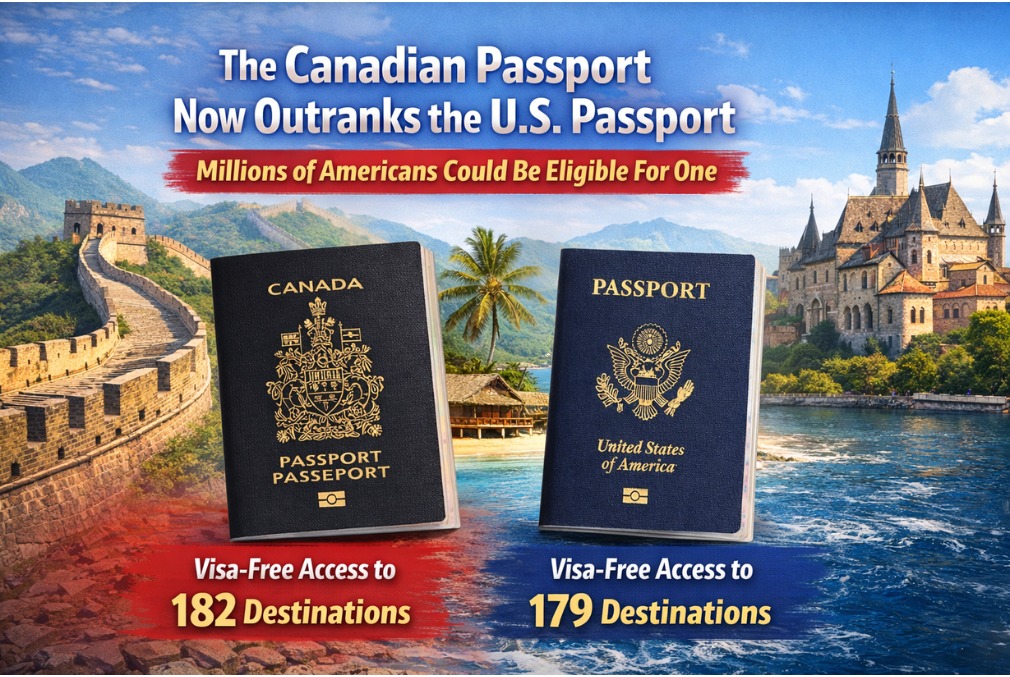
Canadian Passport Now Ranks Higher Than U.S. Passport in 2026

In a recent global ranking, the Canadian passport has surpassed the United States passport, offering greater travel freedom to its holders. This development highlights Canada’s strong global mobility and growing appeal for immigrants and citizens alike.

What Changed?

As of 2026, Canadian passport holders can enjoy visa-free or visa-on-arrival access to more destinations compared to U.S. passport holders. This places Canada among the top-ranked passports globally.

Passport rankings are typically based on the number of countries a holder can visit without requiring a visa in advance, making them an important indicator of global mobility.

Why This Matters

A stronger passport means:

  • Easier international travel
  • Fewer visa requirements
  • More global opportunities for work and business

For many immigrants, obtaining Canadian citizenship is not just about residency—it also opens doors to global access and convenience.

Many Americans May Already Qualify

One of the key highlights of this update is that some Americans may already be eligible for Canadian citizenship through descent.

This applies to individuals who:

  • Have Canadian parents or grandparents
  • Meet eligibility requirements under Canada’s citizenship laws

With recent discussions around expanding citizenship by descent, more people could potentially qualify in the future.

Canada’s Growing Global Appeal

Canada continues to attract newcomers due to its:

  • Strong immigration programs
  • High quality of life
  • Global mobility advantages

With one of the most powerful passports in the world, Canada remains a top destination for those looking to build a future with more opportunities.

Final Thoughts

The rise of the Canadian passport in global rankings reflects Canada’s strong international relationships and stability.

For many, it’s another reason why Canadian citizenship is highly valued worldwide.

💬 If you think you may qualify for Canadian citizenship, it’s worth exploring your options and understanding your eligibility.

Categories
New Updates

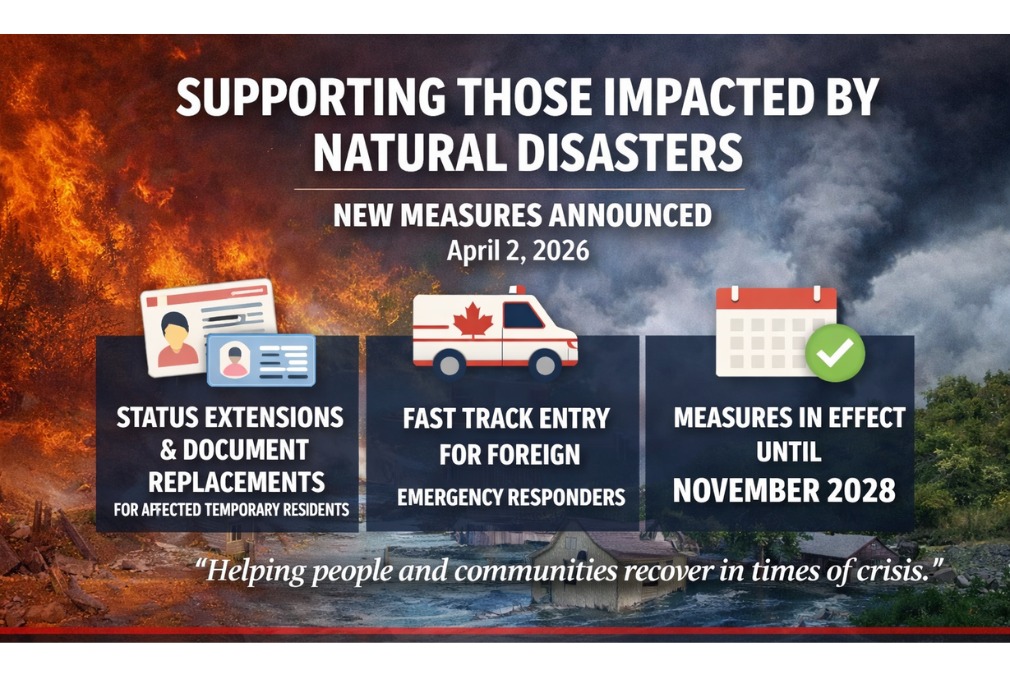
Canada Launches Special Measures to Support Those Affected by Natural Disasters

Canada has introduced new immigration measures to support individuals impacted by domestic natural disasters such as wildfires, floods, and storms. These changes are designed to provide flexibility and assistance during difficult times.

What Are the New Measures?

Under the new policy, temporary residents in Canada who are directly affected by natural disasters can:

  • Replace lost or damaged immigration documents
  • Apply to restore or extend their status
  • Renew work or study permits, even beyond the usual deadlines

Normally, individuals have only 90 days to restore their status. With these new measures, they may have up to 6 months, giving them more time to recover and apply.

Support for Emergency Workers

To help communities respond quickly, Canada is also making it easier for foreign emergency personnel to enter the country by:

  • Waiving certain application and biometric fees
  • Allowing faster processing for urgent cases

This ensures that help can arrive without unnecessary delays during emergencies.

Who Can Benefit?

These measures apply to:

  • International students
  • Temporary foreign workers
  • Visitors in Canada

Applicants must have had valid status at the time they were affected by the disaster and be directly impacted by events within Canada.

When Are These Measures in Effect?

The special measures are effective from April 1, 2026 to November 30, 2028, providing ongoing support as natural disasters continue to impact communities.

Why This Matters

As climate-related events become more frequent, these measures help ensure that people are not penalized for circumstances beyond their control.

They also allow individuals to continue working or studying while their applications are being processed, reducing disruption to their lives.

Final Thoughts

Canada continues to adapt its immigration system to respond to real-life challenges. These new measures reflect a more flexible and compassionate approach, especially during times of crisis.

💬 If you’re currently in Canada and could be affected, it’s a good idea to understand your options and stay updated on any changes.

Categories
New Updates

Canada Holds Express Entry Draw #408 Focused on French-Speaking Candidates

Canada has conducted Express Entry Draw #408, targeting candidates with strong French language proficiency as part of its category-based selection system.

In this round, Immigration, Refugees and Citizenship Canada (IRCC) issued 6,000 Invitations to Apply (ITAs) with a Comprehensive Ranking System (CRS) cut-off score of 408.

Key Highlights of Draw #408

  • Category: French language proficiency
  • Invitations issued: 6,000
  • CRS cut-off score: 408

This draw stands out due to its relatively low CRS score, making it more accessible compared to many other Express Entry rounds.

Why This Draw Matters

Canada continues to prioritize Francophone immigration, especially outside Quebec, to support:

  • Economic growth
  • Labour market needs
  • The vitality of French-speaking communities

Lower CRS thresholds in French category draws show the government’s effort to attract more bilingual and French-speaking candidates.

What This Means for Applicants

If you have strong French language skills, this draw highlights a valuable opportunity to receive an invitation even with a lower CRS score.

To improve your chances, you can:

  • Take a recognized French language test (TEF or TCF)
  • Improve your language scores
  • Combine French with English proficiency for higher CRS points

Express Entry Trends

Recent draws show a clear pattern:

  • Increased use of category-based selection
  • Focus on in-demand skills and language abilities
  • Continued support for Francophone immigration goals

Final Thoughts

Express Entry Draw #408 is a strong signal that French-speaking candidates are in demand in Canada.

For many applicants, improving language skills could be the key to unlocking new opportunities for permanent residence.

💬 If you’re considering Express Entry, it’s worth exploring how your language profile can strengthen your application.

Categories
New Updates

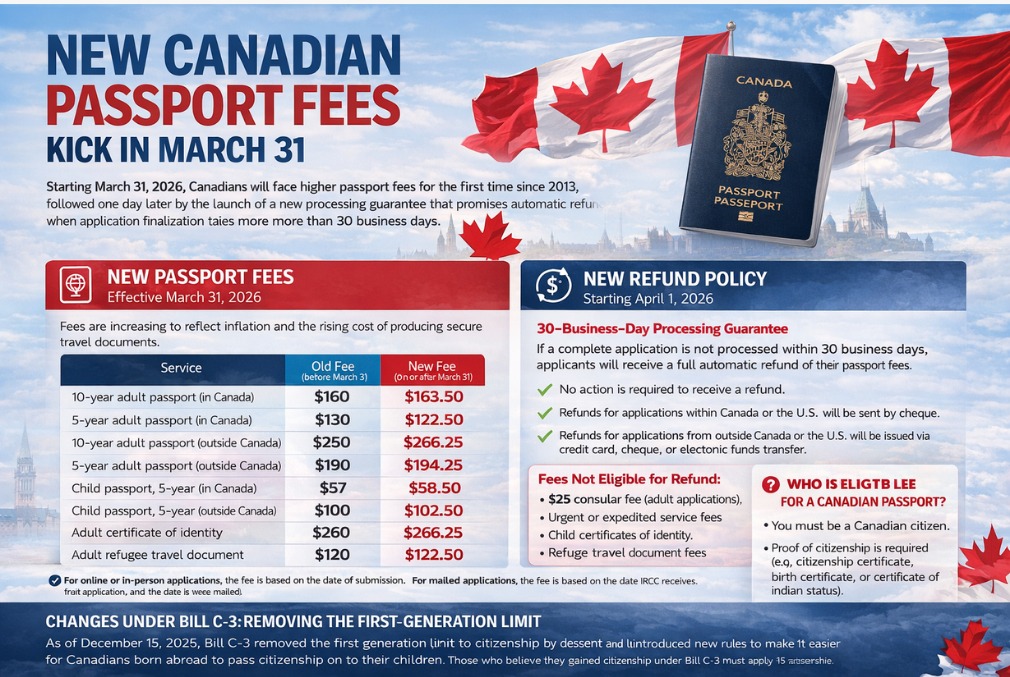
Canada Introduces New Passport Fees Starting March 31, 2026

Canada has announced an increase in passport and travel document fees, effective March 31, 2026. This change reflects rising operational costs and inflation, and marks the first fee update in several years.

What Are the New Passport Fees?

For applicants داخل Canada, the updated fees include:

  • 10-year adult passport: $163.50 (up from $160)
  • 5-year adult passport: $122.50 (up from $120)
  • Child passport (5-year): $58.50 (up from $57)

While the increases are relatively small, they apply to most passport and travel document services both داخل and outside Canada.

Why Are Fees Increasing?

The Government of Canada explained that the fee adjustments are necessary to:

  • Keep up with inflation and rising service costs
  • Maintain reliable and secure passport services
  • Support long-term improvements in processing and delivery

Moving forward, passport fees will be adjusted annually based on inflation, rather than staying fixed for long periods.

New 30-Day Processing Guarantee

Alongside the fee increase, Canada is introducing a new service standard:

  • Complete applications will be processed within 30 business days
  • If not, applicants may receive a full refund of their passport fee

This aims to improve efficiency and provide more predictable service for applicants.

What This Means for Applicants

If you’re planning to apply or renew your passport:

  • Expect slightly higher fees starting March 31, 2026
  • Submit complete applications to benefit from the 30-day guarantee
  • Consider applying early if you want to avoid delays

Final Thoughts

While the increase is modest, it signals a shift toward a more flexible fee system that adjusts with economic conditions.

For travelers and families, staying informed about these updates can help avoid surprises and make planning smoother. ✈️

💬 If you’re preparing for travel or documentation, it’s always helpful to stay updated on these changes.

Categories
New Updates

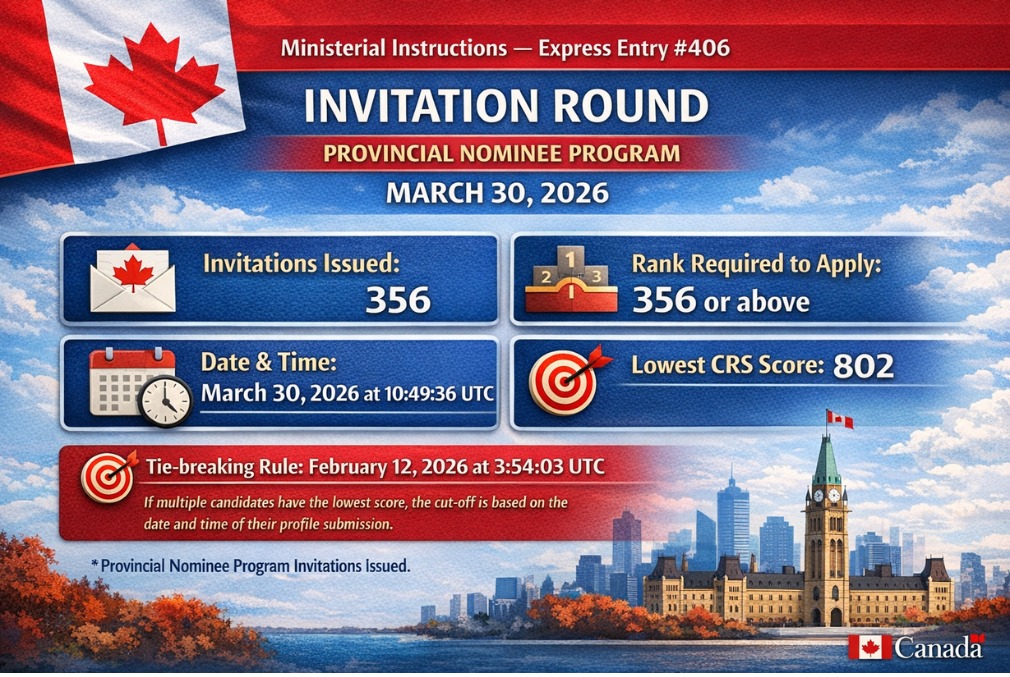
Canada Invites 4,000 Candidates in Latest Express Entry Draw (CEC Focus)

Canada has conducted another Express Entry draw, continuing its trend of prioritizing candidates with Canadian work experience.

In the latest round, Immigration, Refugees and Citizenship Canada (IRCC) issued 4,000 Invitations to Apply (ITAs) under the Canadian Experience Class (CEC). The minimum Comprehensive Ranking System (CRS) score required was 507.

Key Details of the Draw

  • Program: Canadian Experience Class (CEC)
  • Invitations issued: 4,000
  • CRS cut-off score: 507
  • Date: March 17, 2026

This draw reflects Canada’s continued focus on selecting candidates who are already contributing to the labour market.

Why This Draw Matters

The Canadian Experience Class remains one of the most important pathways to permanent residence. It is designed for individuals who:

  • Have Canadian work experience
  • Are already integrated into the workforce
  • Can quickly contribute to the economy

By prioritizing CEC candidates, Canada ensures faster economic integration and supports long-term workforce needs.

Current Express Entry Trends

Recent draws in 2026 show a clear pattern:

  • Increased focus on in-Canada candidates
  • Frequent category-based draws
  • Continued importance of Provincial Nominee Programs (PNP)

Express Entry draws typically happen every couple of weeks, selecting top-ranking candidates from the pool based on CRS scores.

What This Means for Applicants

If you’re currently working in Canada, your chances of receiving an invitation may be stronger under CEC-focused draws.

To improve your profile, consider:

  • Gaining more Canadian work experience
  • Improving your language score
  • Exploring provincial nomination options

Final Thoughts

Canada’s immigration strategy continues to evolve, but one thing is clear—candidates already in Canada remain a top priority.

For many applicants, the Canadian Experience Class continues to be one of the most reliable pathways to permanent residence.

💬 Staying prepared and informed can make all the difference when the next draw happens.

Categories
New Updates

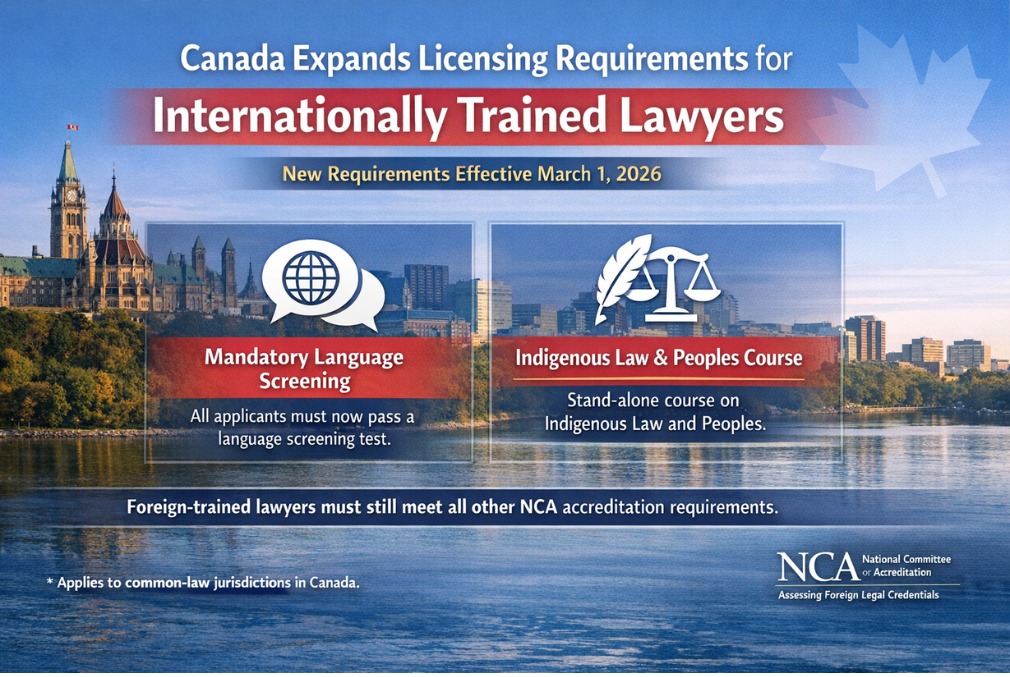
Canada Introduces New Language and Knowledge Requirements for Foreign-Trained Lawyers

Canada has introduced new requirements for internationally trained lawyers who wish to practice in the country, adding both language and knowledge criteria to the assessment process.

As of March 1, 2026, applicants must complete a mandatory language competency screening in either English or French before their qualifications are assessed.

What’s New?

The updated requirements include:

  • A language screening test before application review
  • Proof of foundational knowledge of Indigenous law and peoples
  • Additional steps if language standards are not met

Previously, language ability was assessed more informally, and there was no requirement related to Indigenous law.

Why These Changes Matter

These updates are designed to ensure that internationally trained lawyers:

  • Can effectively communicate in Canada’s legal system
  • Understand the country’s legal and cultural context
  • Are better prepared for licensing and professional practice

The inclusion of Indigenous law reflects Canada’s ongoing efforts to recognize and integrate Indigenous legal perspectives into the broader legal system.

What Happens If You Don’t Meet the Language Requirement?

If applicants do not meet the required level during the screening, they may need to:

  • Take a formal language test
  • Meet additional requirements before receiving their qualification

This adds an extra step but ensures fairness and consistency in evaluating candidates.

What Applicants Should Do

If you’re a foreign-trained lawyer planning to practice in Canada, it’s important to:

  • Prepare for language testing early
  • Understand the new Indigenous law requirement
  • Review the updated assessment process

Final Thoughts

Canada’s legal profession continues to evolve, and these new requirements aim to ensure that internationally trained lawyers are well-equipped to succeed.

While the process may now be more structured, it also creates a clearer and more standardized pathway for those pursuing a legal career in Canada.